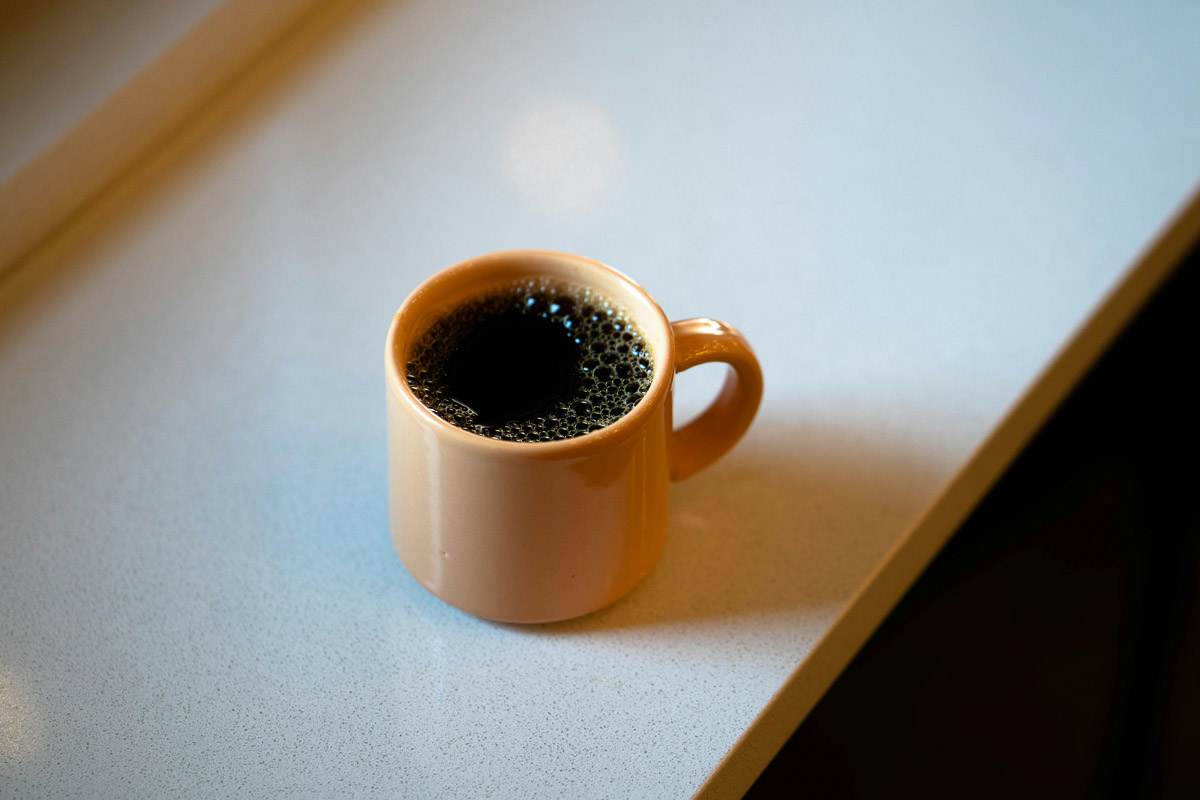
Photo by Nick Harsell on Unsplash
There is a particular kind of tiredness that has nothing to do with sleep. I know it from the inside. After years of working ten- and twelve-hour days, I reached a point where the pace itself had become the problem; not any single task, not any single week, but the accumulated weight of moving too fast for too long. That is what eventually brought me to slow living: a decision to pay more attention to the life I already had.
What surprised me, once I started, was how little needed to change.
Slow living has a reputation problem. It tends to be photographed in linen and natural light, set in houses with no visible clutter, inhabited by people with apparently boundless free time. That version of it is not available to most of us, and it isn’t what I practice. What I’ve come to understand (through a lot of ordinary days) is that slowing down is less about the shape of your life and more about how you move through it.
It is also, and this is the part that surprised me most, not easier to practice in a life with fewer demands. When time is abundant, small moments become ordinary. When time is scarce, a fifteen-minute lunch eaten without a screen feels like something. The constraint is part of it. A 9–5 schedule, of all things, can make slow living more meaningful rather than less.
Here is what it actually looks like.
Before work: morning as the base
Imagine leaving your house in a hurry, grabbing a coffee on the way, and only really tasting it once you’re already on the bus. The cup is already half empty, and you don’t remember the first sip. Slowing down doesn’t mean removing the coffee or the bus. It means changing how you move through those moments. Taking a little more time at the coffee shop. Looking at the menu, even if you always order the same thing. Letting yourself try something different. Pausing for a moment before walking away. Smelling the coffee. Taking a first sip while you’re still there. Then walking to the bus stop and noticing the people around you; their faces, their expressions, whether they look tired or already awake.
Slow living, at its core, is about attention.
Slowing down sounds simple in theory, but it becomes more complicated inside a 9-5 schedule. Time is limited, the pace is set, and there is constant pressure to produce. There isn’t much room for wandering. But slowing down isn’t about escaping your life. It’s about using the small spaces that already exist within it.
You don’t need to change everything. You just need to choose one moment.
For some people, that moment is in the morning. Waking up even ten or fifteen minutes earlier can change the tone of the entire day. Not to do more, but to begin more slowly. Instead of getting out of bed immediately, you can stay there for a few minutes, stretch your body, move your wrists and ankles, and let yourself wake up gradually. You can take a moment to think about how you want to move through the day, not in a strict or structured way, but with a simple intention. Then making your coffee becomes part of that. Not just something to get through, but something to notice. The smell, the warmth, the taste. Even trying to recognize small details, whether it feels more nutty, more chocolate-like, or slightly bitter. It’s a small moment, but it stays with you when the day becomes more demanding.
During the workday: between the tasks
Waking up earlier works for some people. For others, that space might appear during the workday. The workday doesn’t offer much room for wandering. The pace is largely set by other people, the structure is external, and there is constant pressure to produce. This is real, and I don’t want to pretend otherwise. But there are small spaces. The moment before a lesson begins. The walk between rooms. The brief gap after finishing one task and before picking up the next. These spaces exist even in the fullest days. The question is what you do with them.
When someone approaches you -a coworker, a client- it’s easy to feel tension immediately. Instead of reacting right away, you can take a brief pause and notice your breath. How it changes. How your body reacts. Then actually listen. Not just waiting for your turn to speak, but paying attention to what the other person is saying, how they say it, how they move. The same applies during a lunch break. Eating without scrolling, noticing the taste of your food instead of rushing through it. These are small shifts, but they change how the day feels.
After work: owning the evening
And sometimes, the only available space is after work. At the end of the day, it’s normal to feel drained. The easiest option is to switch off completely; scrolling, watching something, letting the time pass without much awareness. But not every evening has to disappear like that. On the way home, you can listen to music and actually hear it. Looking out the window, noticing the people around you, realizing that everyone is carrying something from their day. At home, something simple is enough. Making tea or hot chocolate. Sitting for a moment before doing anything else.
Instead of defaulting to passive habits, you can choose something small and physical. Reading a few pages of a book. Solving a puzzle. Doodling without a goal. Even something repetitive, like knitting or coloring. Not because it’s productive, but because it brings you back into the moment.
None of this requires a perfect routine. Most days won’t feel slow. Some will still feel rushed. That doesn’t mean it isn’t working. Slowing down in a 9–5 life isn’t about control. It’s about small decisions, made in the spaces you still have.
You don’t need to change your life. Just bring a little more intention into it.
- Zoe.